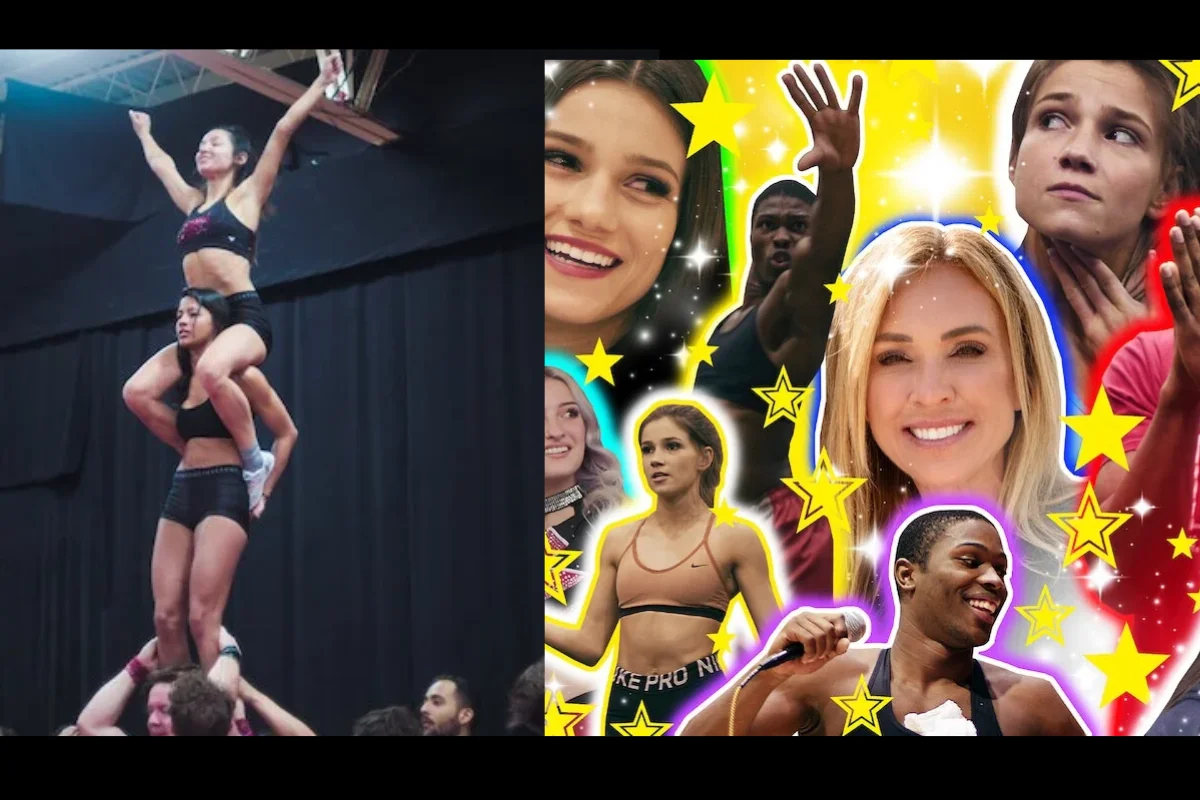
The cheerleader fame machine is older than Instagram and louder than a single Sunday kick line. Hollywood and pop music have been fishing talent out of pro squads for decades. What changed is the distribution. A Netflix docuseries turned one team into a year-round cast, and the women on that roster now carry personal brands that travel farther than the stadium parking lot.
That is a brand story, not a box-score story. Uniforms used to be the point. Now the names inside them can outlive a season, move product and reset what a “sideline job” is worth on a public stage. For the wage-and-settlement ledger behind the same industry, US Pulse News has the companion file on the NFL cheer economy.
The cheerleader fame machine after Netflix
The first season of America’s Sweethearts: Dallas Cowboys Cheerleaders dropped in June 2024. A second run followed in June 2025. A third arrived on 16 June 2026, and in August 2026 the streamer said another season was coming. The show is a recruitment ad, a pressure cooker and a fame accelerator in the same package. Auditions, cuts, boot camp and the making of a 36-member roster became plot. Viewers learned names, not just formations.
That attention is brand value. The Dallas squad was already the most recognized sideline company in American sport. The series made individual dancers recognizable in grocery aisles and in brand meetings. Veterans used the heat, during the second season, to argue for better pay. The money fight belongs in the hard-news companion. The fame fight is what happens when a uniform becomes a character, and the character starts booking work.
Social channels did the second half of the job. Members who already taught classes, built fitness pages or posted rehearsal clips suddenly had a global comment section. The series did not invent influencer cheerleading. It industrialized it. A rookie’s follower count can now move as fast as her make-or-cut fate, which is a mixed blessing: more inbound brand mail, and more public scoring of every practice face. The feed is now part of the costume.
Alumni who already proved the pipeline
Long before streaming, the pipeline was real, and the receipts are on the record. Paula Abdul made the Los Angeles Laker Girls in 1982, then became the group’s choreographer within a year, a rise the Los Angeles Times documented as she crossed into pop. She remained in that creative seat into the mid-1980s, then turned the precision and camera instinct of arena performance into a chart career, choreography work and later a judging chair. The Laker Girls were never just a timeout act. They were a farm system for someone who understood how a body reads on a big screen.
Teri Hatcher took a different path through the same door. Biographical accounts, and period photographs, place her on the San Francisco 49ers Gold Rush in 1984, before Lois and Clark and Desperate Housewives made her a prime-time lead. Stacy Keibler cheered for the Baltimore Ravens in the 1998-99 and 1999-2000 seasons, a tenure the club itself has later celebrated, then built a WWE and acting career that kept the Ravens link in her public story, as ESPN and People have noted.
These are not rumors. They are documented first jobs. The lesson for 2026 is not that every dancer becomes a sitcom star. It is that a visible squad can be an apprenticeship in poise, choreography and fame management, if the person on the field can convert the attention. Today’s conversion tool is a phone, not only a casting office, which is why the Netflix effect matters more than a single alumni anecdote.
IPL and the international copy
The format travelled. When the Indian Premier League launched in 2008, several franchises hired cheer squads, including visiting performers from the Washington team then known as the Redskins cheerleaders, a booking the Washington Post and Voice of America covered at the time. The reaction was immediate and split: entertainment imported from American football, or a cultural mismatch in a cricket ground. The Hollywood Reporter and Hindustan Times recorded the early row over costumes and whether the dancing distracted from the sport.
The debate never fully left. It flared again in 2025. After the Pahalgam attack, the 23 April Mumbai Indians versus Sunrisers Hyderabad fixture went ahead without fireworks or cheerleaders, a mark of respect reported by The Hindu and Mint. Sunil Gavaskar then urged the Board of Control for Cricket in India to keep “dancing girls” and “screaming DJs” out of the restarted league. India Today and the Indian Express reported that the board would consider it. Subsequent coverage, including Anandabazar, said music and cheerleaders were present again once the season resumed. The point for a brand meter is not the moral argument. It is that IPL sides still treat glamour units as a lever they can switch on, mute for a memorial, and switch back when the show returns.
That is the global copy of the American model: use the look to juice a televised sports product, then discover that the women in the look become a story of their own.
What the meter actually prices
On the Global Celebrity Meter, sideline fame now sits next to other live-sport celebrity engines, including the future of Grand Prix as a celebrity sport. A dancer’s value is a mix of roster prestige, screen time, follower reach and the ability to hold a brand without turning the team mark into a conflict. That is the same pricing logic we unpacked in Celebrity Brand Value Explained. Booking desks already know the pattern. Celebrity Fees has been tracking how Forbes top creators in 2026 out-earn legacy fame, and a breakout from a hit docuseries is one more on-ramp into that market.
Respect is part of the valuation, or it should be. These women are athletes and performers, not props. The machine will keep minting recognizable names because leagues still want the glamour and audiences still watch it. The smart read in 2026 is to follow who controls the image after the final whistle: the club, the streamer, or the dancer who just learned her name travels.
FAQ
What is the cheerleader fame machine?
It is the path that turns a place on a professional sideline or dance team into public recognition, social reach and later brand work. The path is older than Instagram. Netflix’s America’s Sweethearts made one roster into a year-round cast, which sped up how quickly individual dancers became recognizable names.
How many seasons of America’s Sweethearts have been released?
Three seasons have been released, with a fourth commissioned. The first season arrived in June 2024, the second in June 2025 and the third on 16 June 2026. In August 2026, Netflix said the series would return for another season.
Which famous performers started as professional cheerleaders?
The public record includes Paula Abdul, who made the Los Angeles Laker Girls in 1982 and became the group’s choreographer within a year, as the Los Angeles Times later documented; Teri Hatcher, placed by biographical accounts and period photographs on the San Francisco 49ers Gold Rush in 1984; and Stacy Keibler, who cheered for the Baltimore Ravens in the 1998-99 and 1999-2000 seasons, a tenure later noted by the club, ESPN and People.
When did the IPL start using cheerleaders, and what controversies followed?
Several Indian Premier League franchises hired cheer squads when the league launched in 2008, including visiting performers from the Washington team then known as the Redskins cheerleaders, a booking covered by the Washington Post and Voice of America. Early criticism focused on costumes and whether the dancing distracted from cricket, as the Hollywood Reporter and Hindustan Times recorded. In April 2025, after the Pahalgam attack, at least one fixture omitted fireworks and cheerleaders as a mark of respect, The Hindu and Mint reported. Sunil Gavaskar then urged the BCCI to keep them out of the restarted season; subsequent coverage said they were present again once play resumed.