Hollywood loves a bidding war over a leading star. Silicon Valley has taken that drama and added three zeros. In the past eighteen months, the richest companies on Earth have tried to buy single human minds for sums that once bought whole studios. One engineer was reportedly offered up to $1.5 billion. One founder was reportedly asked to sell a company valued at $32 billion, and said no. This is the story of the biggest individual talent bids ever made, the people behind them, and the ones who walked away.
Our sister investigation, how tech giants are privately outbidding Hollywood for global polymaths, covered the blockbuster company deals, from Scale AI and Alexandr Wang to Character.AI, Inflection and Jony Ive’s io. Here we zoom in on the people, and the price tags pinned to their names.
Andrew Tulloch: The $1.5 Billion Man Who Said No, Then Yes
Andrew Tulloch grew up in Perth, studied at the University of Sydney and spent 11 years at Facebook before moving to OpenAI. In 2025 he co-founded Thinking Machines Lab with former OpenAI chief technology officer Mira Murati.
According to The Wall Street Journal, Mark Zuckerberg made Tulloch his chief target and put an offer on the table that could have been worth as much as $1.5 billion over at least six years, built from salary, bonuses and stock. The Journal noted the top figure depended on ambitious performance and stock metrics. Tulloch turned it down. Meta disputed the reporting around its Thinking Machines approaches, with spokesperson Andy Stone telling WIRED there was “one sizable offer” but “the details are off.”
Then came the twist. In October 2025, the Journal reported Tulloch had left Thinking Machines for Meta, and a Thinking Machines spokesperson said he had “decided to pursue a different path for personal reasons.” The terms of his eventual move were not disclosed. Less than a year later, reports from Business Insider and Forbes Australia said he had resigned from Meta to join Anthropic’s inference and performance team.
Mira Murati: The $12 Billion Seed and the Raid That Followed
Murati launched Thinking Machines Lab in February 2025. By July, it had raised about $2 billion in a seed round led by Andreessen Horowitz at a $12 billion valuation, with Nvidia, AMD, Cisco, Accel, ServiceNow and Jane Street joining in. The company had no product on the market. It is described as one of the largest seed rounds in Silicon Valley history.
The Journal reported that Zuckerberg offered to buy the startup, and that when Murati said no he approached more than a dozen of her roughly 50 employees. WIRED reported that one offer topped $1 billion over several years and that others ranged from $200 million to $500 million over four years, with some guaranteeing $50 million to $100 million in year one. At the time, WIRED said not a single person had accepted. Meta disputed those details. Later reports said several founding members, including Tulloch, did eventually move to Meta.
Ilya Sutskever: The $32 Billion Rejection
If Tulloch received the biggest personal offer, Ilya Sutskever turned down the biggest bid of all. CNBC and Reuters reported that Meta tried to acquire Safe Superintelligence, the startup the OpenAI co-founder launched in 2024, and also tried to hire Sutskever himself. SSI had reportedly raised $2 billion in April 2025 at a $32 billion valuation, according to the Financial Times.
Sutskever rebuffed both approaches. Taking over as chief executive in July 2025, he wrote: “You might have heard rumors of companies looking to acquire us. We are flattered by their attention but are focused on seeing our work through.” The price of Meta’s proposed acquisition was never disclosed, so the $32 billion figure is SSI’s reported valuation, not a confirmed offer.
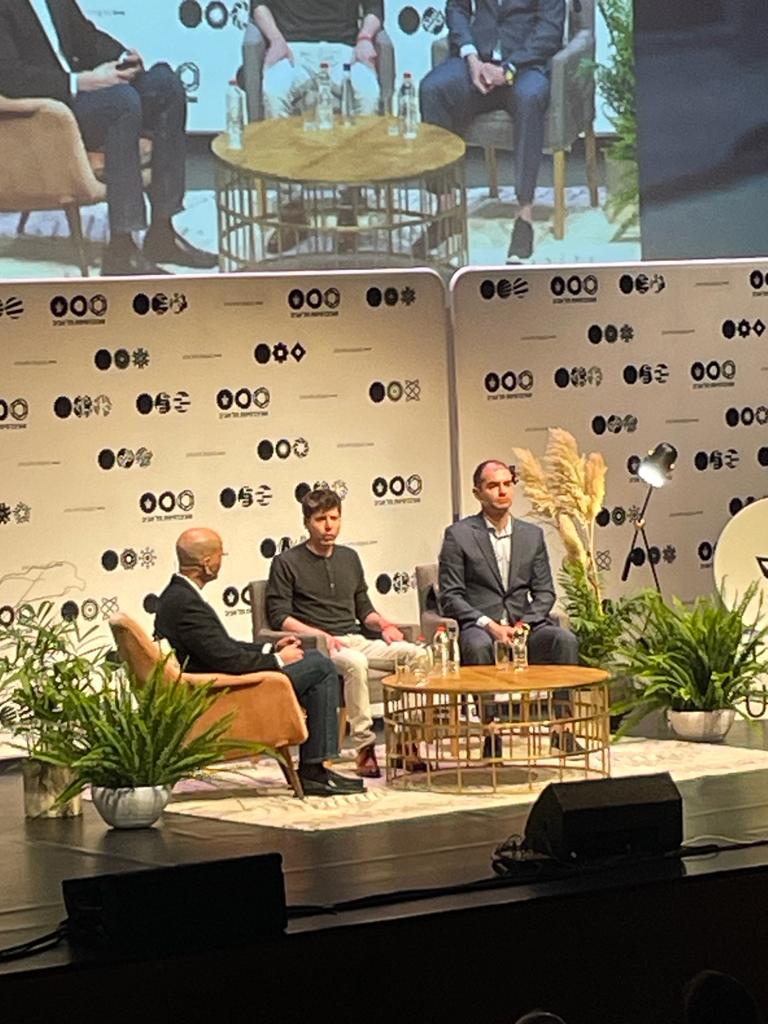
Daniel Gross and Nat Friedman: The Package Deal
When Sutskever said no, Zuckerberg turned to SSI’s co-founder and chief executive, Daniel Gross. Gross had sold his search startup Cue to Apple, helped lead machine learning work there, and later became a partner at Y Combinator. He came as a pair with former GitHub chief executive Nat Friedman. Together they ran the venture firm NFDG, an early backer of companies such as Perplexity, Figma and CoreWeave.
Both joined Meta in mid 2025. Their personal pay was not disclosed. What was reported shows how far Meta went: according to The Wall Street Journal, Meta offered to buy a minority stake in NFDG’s funds from investors, reportedly up to 49%, and NFDG stopped making new investments. In effect, Meta bought into a venture portfolio to land two people.
Ruoming Pang: Apple’s $200 Million Walkout
Ruoming Pang ran Apple’s foundation models team, roughly 100 people building the models behind Apple Intelligence. In July 2025, Bloomberg reported Meta hired him with a package worth more than $200 million over several years, made up of base salary, a signing bonus and a large stock award tied to performance and loyalty. Apple did not try to match it. Bloomberg noted the sum exceeded the pay of every Apple leader except chief executive Tim Cook.
The story did not end there. In February 2026, Reuters, citing The Information, reported Pang had left Meta for OpenAI after about seven months.
Matt Deitke: The 24 Year Old Who Doubled His Price
Matt Deitke, a 24 year old researcher building the startup Vercept, reportedly turned down an offer of around $125 million from Meta. The New York Times reported that after he met Zuckerberg, Meta came back with about $250 million over four years, with as much as $100 million in the first year. He accepted. It is the clearest proof yet that saying no can raise the bid.
Varun Mohan: Google’s $2.4 Billion Windsurf Swoop
Meta was not the only bidder. In July 2025, after OpenAI’s reported $3 billion deal for coding startup Windsurf fell apart, Google paid about $2.4 billion in a deal that brought chief executive Varun Mohan, co-founder Douglas Chen and selected researchers into Google DeepMind, plus a nonexclusive license to Windsurf technology, according to Reuters. Google took no stake in the company.
The Biggest Bids Ever: Leaderboard
- Ilya Sutskever and Safe Superintelligence: company reportedly valued at $32 billion; Meta’s offer price undisclosed. Status: declined.
- Varun Mohan, Douglas Chen and Windsurf researchers: about $2.4 billion paid by Google for licensing and hires. Status: accepted.
- Andrew Tulloch: reported up to $1.5 billion over at least six years. Status: declined, then joined Meta on undisclosed terms; disputed by Meta, which said details were “off.”
- Thinking Machines staff: reported $200 million to $500 million over four years each. Status: disputed; initially declined, with some founding members later joining Meta.
- Matt Deitke: reported about $250 million over four years. Status: accepted.
- Ruoming Pang: reported more than $200 million over several years. Status: accepted; he left for OpenAI in February 2026.
- Daniel Gross and Nat Friedman: pay undisclosed, plus a reported Meta purchase of up to 49% of NFDG fund holdings. Status: accepted.
What Makes Someone Worth a Billion Dollar Bid?
Proof at scale. Every name on this list has built something the world uses: GPT models, Apple Intelligence, GitHub, Siri. Bidders pay for a track record, not a promise.
Rarity. Only a small group of people have trained frontier models on giant computer clusters. When the pool is tiny, prices behave like those for a star striker or a headline act.
Range. These are true all rounders who move between research, engineering, product and investing. That breadth echoes the highest paid minds and all rounders commanding top speaking fees, and the one man army creators out earning Hollywood studios.
The power to say no. Sutskever, Murati and Deitke each declined first. Leverage came from having their own company, their own funding and a clear mission.
Followers. A star researcher brings a team. Hire one, and others follow, which is exactly why Meta chased whole labs.
The headline figures are mostly stock over many years and depend on performance and staying put, as Pang’s and Tulloch’s quick exits show. But the message is loud: the world’s most valuable celebrity may now be someone you have never seen on a red carpet. Want to build that kind of pull yourself? Start with our guide on how to become a global star and attract sponsors.
Also read
- Bidding Wars for AI Global Polymaths: How Tech Giants Are Outbidding Hollywood
- Highest Paid Minds: All Rounders and Their Speaking Fees
- $100 Million One Man Army: Creators Out Earning Hollywood Studios
- How to Become a Global Star and Attract Sponsors
Also read: The Biggest Bidding Ever for an AI Global Polymath: Invitations Open


1 Comment
[…] That record is why he already belongs in our forensic analysis of Hollywood stars who invest. We have tracked the same junction of fame and markets in our AI stock meltdown briefing, in how the world prices a famous name, and in the bid for the biggest AI global polymath. […]