Forget the red carpet. The richest bidding wars on the planet are no longer fought over movie stars. They are fought, mostly behind closed doors, over a handful of rare minds who can imagine, design and build all at once.
In 2025, the highest paid actor in Hollywood, Adam Sandler, earned a reported $48 million after fees, according to Forbes. In the same year, OpenAI chief executive Sam Altman said a rival had dangled $100 million signing bonuses in front of his researchers. One tech giant reportedly committed $14.3 billion in a deal that brought a single founder into its leadership. Another paid a reported $2.7 billion to win back one engineer who had walked out the door. Welcome to the new star system, where the A list is written in code, design and vision.
We have tracked how the highest paid minds and all rounders already command headline fees on stage. Now the biggest cheques are coming from Silicon Valley, and they dwarf what studios pay their leading names.
The Hollywood Benchmark: $48 Million at the Top
Start with the yardstick. Forbes’ list of the highest paid actors of 2025 put Adam Sandler at No. 1 with an estimated $48 million after agent and manager fees ($60 million gross), powered by his long running Netflix deal, Happy Gilmore 2 and Jay Kelly. Tom Cruise followed at a reported $46 million and Mark Wahlberg at $44 million. Scarlett Johansson was the top earning actress at $43 million, and Brad Pitt took $41 million. Forbes also reported that the combined haul of the top 20 actors was $590 million, down 20% from $730 million the year before.
Those are enormous numbers. Yet the entire top 20 earned less in a year than what one tech company reportedly paid in a single licensing and hiring deal, as we are about to see.
Meta: The $100 Million Offers and the $14.3 Billion Founder
In June 2025, Sam Altman said on the Uncapped podcast, hosted by his brother Jack, that Meta had tried to recruit OpenAI staff with signing bonuses as high as $100 million, as reported by Reuters and CNBC. The claim was contested. Researcher Lucas Beyer, who moved from OpenAI to Meta with two colleagues, publicly said they did not get $100 million sign on payments. Meta’s chief technology officer Andrew Bosworth told staff, according to reports in TechCrunch and WIRED, that only a small number of senior leadership roles command that kind of premium and that it was not a simple signing bonus. WIRED reported that Meta offered some top researchers packages of up to $300 million over four years, with more than $100 million in the first year, a characterisation a Meta spokesperson called misrepresented.
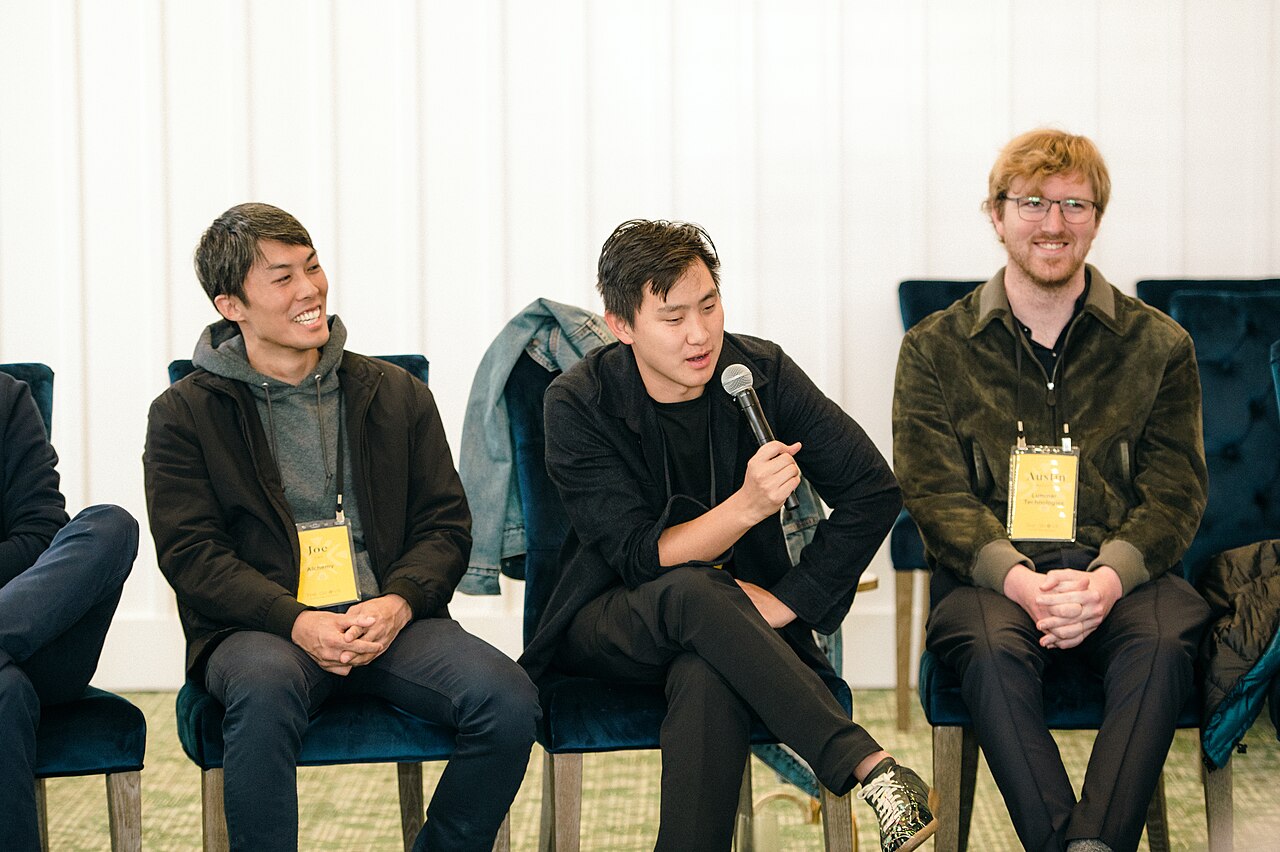
The headline deal was even bigger. Meta took a 49% stake in Scale AI for a reported $14.3 billion, a deal that valued the startup at over $29 billion, according to Reuters, AP and Scale’s own announcement. Its 28 year old founder, Alexandr Wang, who dropped out of MIT at 19 to build the company, joined Meta to lead its superintelligence work. A source told Reuters that securing Wang was the main driver of the investment. Zuckerberg later named him Meta’s chief AI officer.
Google: A Reported $2.7 Billion to Bring One Genius Home
Noam Shazeer coauthored the landmark 2017 research paper that kicked off the modern AI boom. He left Google in 2021 after the company declined to release a chatbot he had built, and cofounded Character.AI. In August 2024, Google signed a nonexclusive licensing deal with the startup, and Shazeer and cofounder Daniel De Freitas returned to Google DeepMind with a small research team, as Reuters, TechCrunch and The Verge reported. The Verge reported that Character.AI investors were paid for their equity at a $2.5 billion valuation. The Wall Street Journal later put Google’s total outlay at a reported $2.7 billion, headlining that Google paid it to bring back an AI genius who quit in frustration.
That is roughly 56 years of Adam Sandler’s 2025 earnings, aimed largely at one returning mind.
Microsoft: Mustafa Suleyman and the $650 Million Playbook
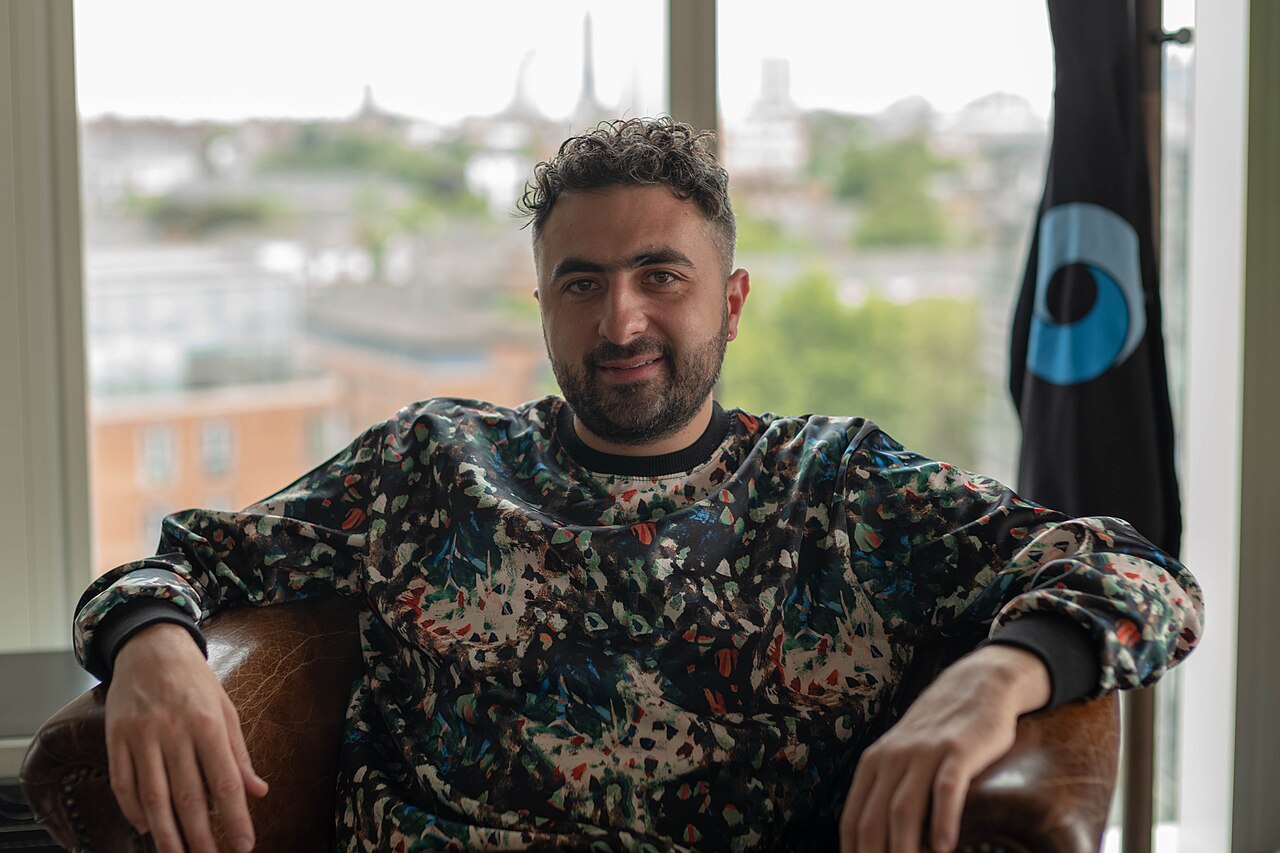
In March 2024, Microsoft hired Inflection AI cofounders Mustafa Suleyman and Karén Simonyan, along with most of the startup’s roughly 70 person team, to create a new consumer division called Microsoft AI, with Suleyman as its chief executive. Reuters and Bloomberg reported that Microsoft agreed to pay Inflection about $650 million, mostly for a licensing deal. TechCrunch, citing The Information, reported the split as about $620 million in licensing fees and $30 million for Inflection to waive claims over the hiring. The UK competition regulator later reviewed the arrangement and cleared it.
Suleyman is a classic polymath profile: a cofounder of Inflection who now leads consumer AI at one of the largest companies on earth. That blend of human insight and technical depth is exactly what giants pay for.
OpenAI and Jony Ive: When a Designer Is Worth $6.5 Billion
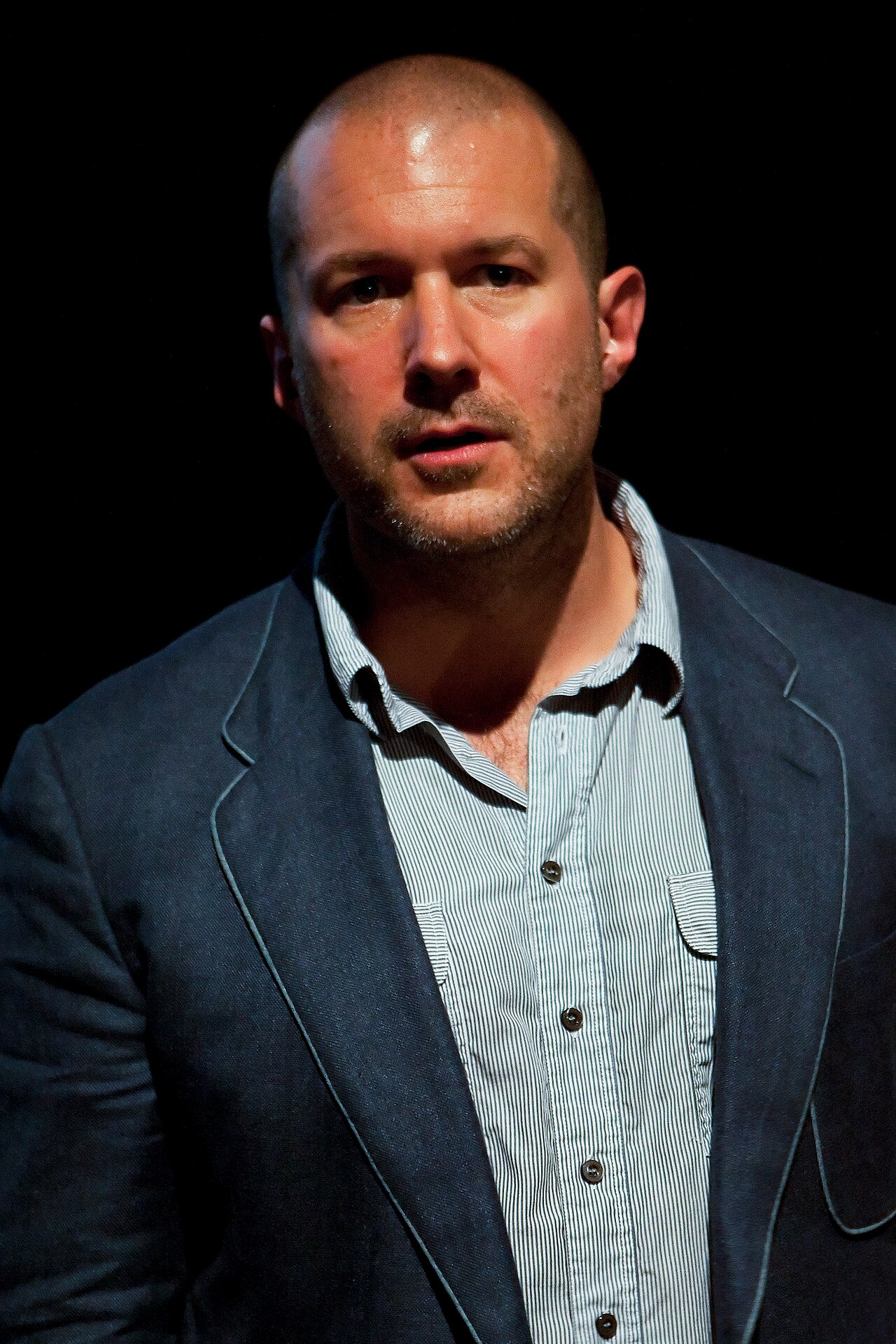
The purest creative case belongs to Jony Ive, the British designer behind the iPhone. In May 2025, OpenAI agreed to buy his hardware startup io in a reported $6.5 billion all stock deal and named him to a creative leadership role, as Reuters and Bloomberg reported. Bloomberg reported the deal closed in July 2025. Ive and his design firm LoveFrom remain independent while taking on design and creative work across OpenAI, according to OpenAI’s own announcement.
Here, a tech company paid more than ten times the combined 2025 earnings of Hollywood’s top 20 actors, as tallied by Forbes, to secure the taste and vision of a designer and his team.
Why Polymaths Command These Sums
Why would a company pay billions for a few people when it could hire thousands of engineers? Because the rarest asset in the AI economy is range. Shazeer pairs deep research with product instinct. Wang turned a data problem into a global business before he turned 30. Suleyman bridges ethics, policy and product. Ive translates technology into objects people love.
Reuters described the market well: superstar researchers are being courted like professional athletes, on the belief that individual contributors can make or break companies. Their deals also share a structure. Rather than outright acquisitions, giants license technology, invest in stakes and hire the talent, a playbook The Verge noted Google borrowed from Microsoft’s Inflection deal and Amazon’s deal with Adept. The result is a talent premium that no film studio budget can match.
This mirrors a wider shift we have charted in the rise of the one man army creators out earning Hollywood studios. Fame used to be built in front of a camera. Today it is equally built by those who can write, design, code and lead at the same time.
Takeaways for Every Aspiring Star
- Range is the new rarity. Every figure in this story combines two or more disciplines. Build a second skill alongside your first.
- Leaving can raise your value. Shazeer and Wang built something of their own, and the giants came to them with record offers.
- Read headlines carefully. The $100 million signing bonus story was disputed, while the multibillion dollar deal figures were reported by several outlets. Know the difference before you dream in numbers.
- Your story is part of your price. Like screen icons who reshape culture, as in our feature on European supermodels and screen legends, top tech talent wins on vision and presence, not only skills.
- Visibility attracts backers. Want to start on that path? Our guide on how to become a global star and attract sponsors is a practical first step.
Hollywood still makes legends. But the biggest cheques of this decade are being written for minds that can both dream it and build it — the operating model AI Polymath World Cup calls AI strategic architects outperforming traditional agencies. The next global celebrity might never set foot on a soundstage.
Also read
- Highest Paid Minds: All Rounders and Their Speaking Fees
- $100 Million One Man Army Creators Out Earning Hollywood Studios
- European Supermodels and Screen Legends Redefining Sex Appeal
- How to Become a Global Star and Attract Sponsors
Also read: Bidding for the Biggest AI Global Polymath Ever
Also read: The Biggest Bidding Ever for an AI Global Polymath: Invitations Open
The studio side of the story shows how tech giants are privately outbidding Hollywood for creative polymaths.