It is one of the internet’s most persistent rumours: wealthy, powerful couples who struggle to conceive quietly pay for a celebrity sperm donor, guaranteeing a child with star looks or talent. So, is it true? We went through the research, the regulators and the sperm banks themselves. The short answer is no, there is no verified market in celebrity sperm. But the demand behind the rumour is real, and so are the regulated options that actually help couples have a baby. Here is what the evidence shows.

The Real Demand Behind the Celebrity Sperm Donor Rumour
What People Actually Look For in a Donor
Fame does not top the list. In a survey of 1,700 women who used donor sperm, published in Reproductive BioMedicine Online in 2013, the most chosen attributes were donor health (65.2%), family health history (50.7%), intelligence (50.0%), height (42.7%) and ethnicity (40.7%). Fame was not on the list of attributes at all.
The Lookalike Option
Banks have noticed the curiosity about famous faces. Fairfax Cryobank’s FaceMatch tool lets customers upload a photo of a “partner, family member, friend, or celebrity” and see which donors share similar facial features, while keeping donor photos private. Fairfax said it built the tool because “patients frequently ask client service representatives who the donors resemble,” and that it passed 10,000 photo uploads within six months of its 2011 launch. In 2009, CNN reported that California Cryobank staff listed celebrities its donors resembled. “The goal was to say this donor happens to resemble this celebrity,” a spokesperson said. A resemblance, in other words, not the star.
The Closest Thing History Offers
The famous precedent is not Hollywood at all. The Repository for Germinal Choice, nicknamed the “Nobel Prize sperm bank,” operated in California from 1980 to 1999, as Slate and The New York Times recount. It closed, and its promise of “genius” children was widely debunked.
Why a Celebrity Sperm Donor Is Essentially Impossible
- No anonymity in the UK. The HFEA states that “it’s not possible to donate anonymously in the UK.” People conceived from donations made after 1 April 2005 can learn the donor’s name, date of birth and last known address at 18. Few stars would accept that.
- Strict limits. A UK donor can help create up to 10 families. In India, the ART (Regulation) Act 2021 says a bank “shall not supply the sperm or oocyte of a single donor to more than one commissioning couple.”
- No real money. UK donors can receive up to £45 per clinic visit for expenses, according to the HFEA.
- Heavy screening. In the US, the FDA requires sperm banks to register and test donors for HIV, hepatitis B and C, syphilis, chlamydia and gonorrhea, among others.
- DNA tests end secrecy. The HFEA warns that home DNA kits can reveal donors.
Verified celebrity fertility stories involve the same regulated routes as everyone else. Elton John and David Furnish welcomed sons in 2010 and 2013 through a surrogate in California, the BBC reported. We found no verified case of a celebrity supplying sperm to a wealthy couple through a bank.
The Ethics: The Child Comes First
Donor-conceived people increasingly want to know their origins. In the same 2013 survey, 91.1% of respondents said offspring have the right to seek their donor. While 73% had used an anonymous donor, 61.2% said they wished they had chosen an open-identity one. Large donor families carry risks too. The BBC reported that sperm from one donor carrying a cancer-linked gene mutation was used to conceive almost 200 children across Europe, and the European Society of Human Reproduction and Embryology has called for an EU limit of 50 families per donor. Picking a donor for fame would turn a child’s identity into a status symbol.
Reputable, Regulated Sperm Banks to Consider
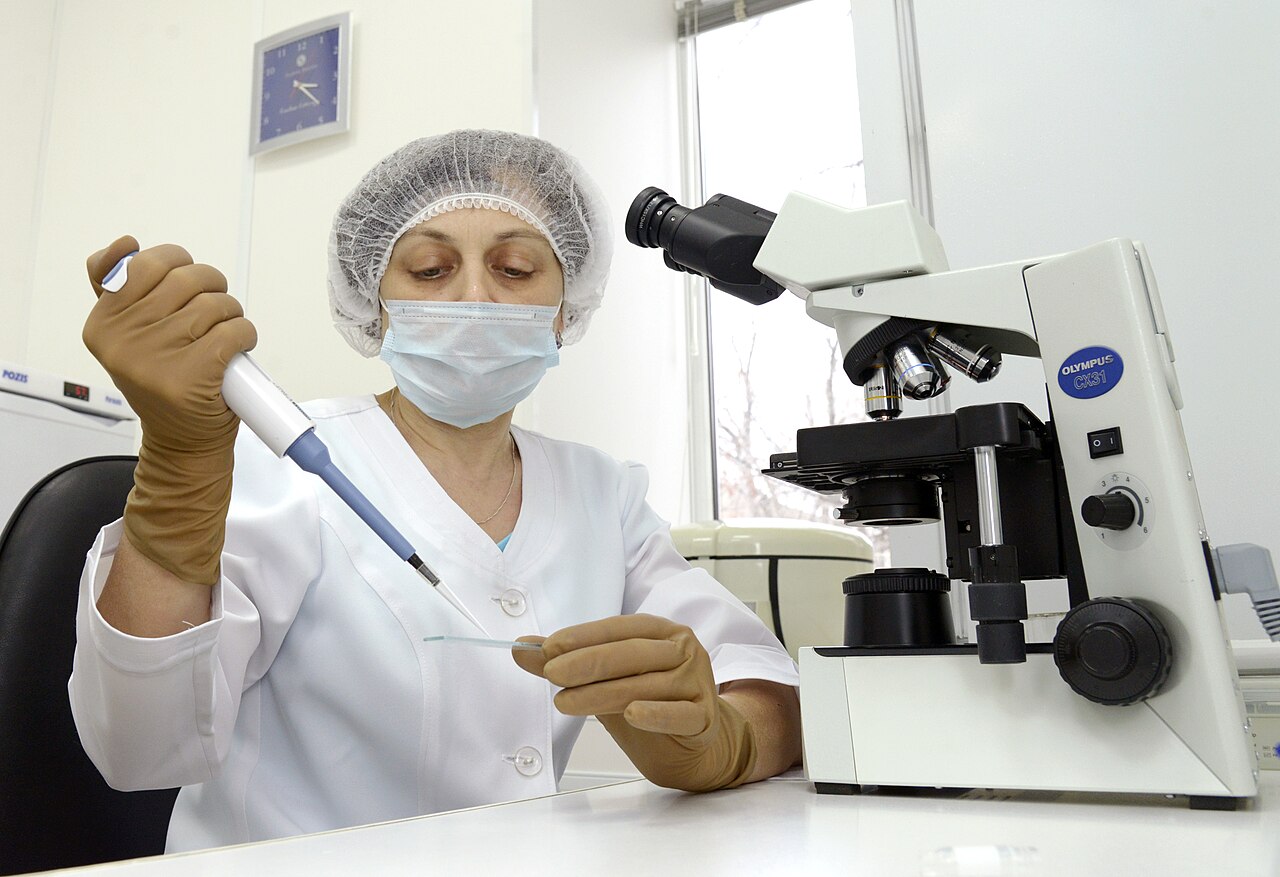
None of these banks offers celebrity donors. Each is listed with the regulatory status it states on its own site or that we confirmed with a regulator.
- California Cryobank (US): lists FDA registration numbers for its sites and offers “Open donors” who agree to one communication with a donor-conceived person at 18.
- Fairfax Cryobank (US): publishes FDA establishment registrations valid through 2026, an ID Donor program releasing contact details at 18, and FaceMatch.
- Seattle Sperm Bank (US): states it is FDA registered and specialises in Open ID donors who agree to at least one contact after the child turns 18.
- London Sperm Bank (UK): states it is HFEA licensed and follows the 10-family limit.
- Cryos International (Denmark): says it is authorised as a tissue establishment by the Danish Patient Safety Authority and registered with the FDA, offering ID Release donors and, depending on country, face matching.
- European Sperm Bank (Denmark): says it is licensed by Danish health authorities and runs an ID release programme.
- Genetics Cryobank LLP (India): a Mumbai ART bank listed on the government’s National ART and Surrogacy Registry (registration MH/AB/2022/10007/Mumbai/31).
Always check a bank’s current status with the regulator, and buy only through a licensed fertility clinic. This is not medical advice.
Procedures That Help Childless Couples
Infertility is common. The World Health Organization says about 1 in 6 people worldwide are affected in their lifetime.

Testing Both Partners
The NHS says fertility problems “can affect either partner,” and in a quarter of cases no cause is found. It advises seeing a GP after a year of trying, or sooner for women aged 36 and over.
Ovulation Induction and IUI
Medicines can restore ovulation, and intrauterine insemination places washed sperm in the womb around ovulation. The American Society for Reproductive Medicine says that for unexplained infertility, IUI with ovulation medication doubles the pregnancy rate compared with no treatment.
IVF and ICSI
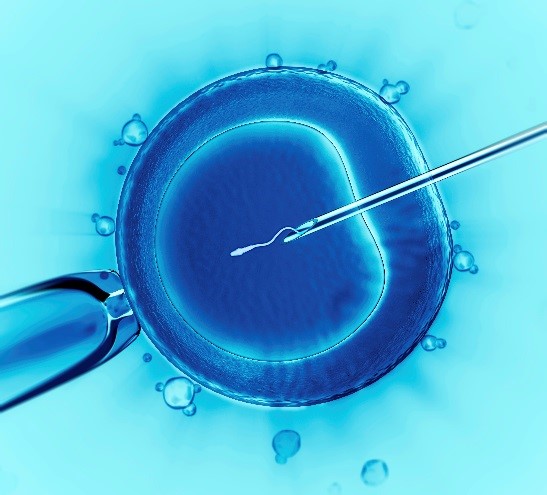
In IVF, eggs are fertilised in a lab and an embryo is placed in the womb. A full cycle takes about 3 to 6 weeks. The HFEA calls ICSI, where a single sperm is injected into an egg, the most common and successful treatment for male infertility. HFEA 2023 data show a 35% birth rate per embryo transferred for patients aged 18 to 34, falling to 5% at 43 to 44. In the US, the CDC says assisted reproduction produced 98,289 infants in 2022, about 2.6% of all US births.
Donor Sperm, Eggs or Embryos
Donation is mainstream. The HFEA says in its 2023 report that about 1 in 5 UK IVF and donor insemination births involved donor eggs, sperm or embryos.
Egg Banking
Egg storage cycles in the UK rose from 4,688 to 6,932 in the HFEA’s latest figures, but the regulator stresses it is “not a guarantee of having a baby.”
Surrogacy
Rules differ sharply. India’s Surrogacy (Regulation) Act 2021 bans commercial surrogacy and permits only altruistic arrangements. In the UK, surrogacy is legal but only reasonable expenses can be paid, agreements are not enforceable and intended parents need a parental order.
Adoption
In England and Wales, people aged 21 or over can apply to adopt, whether single, married or unmarried. In India, adoption runs through the Central Adoption Resource Authority.
What It Costs
The HFEA says private prices are not regulated and the same treatment can be “two or even three times more expensive” at one clinic than another. A Queen Mary University of London survey of 304 patients found an average spend of £11,950 per IVF cycle.
This guide is not medical advice. Please see a licensed fertility specialist about your own situation.
Curious what stars earn instead? See Celebrity Fees, and for the psychology of fandom, read Hollywood Movietimes.
FAQ
Can you buy a celebrity sperm donor?
No verified bank offers celebrity donors. Some banks offer lookalike matching that compares donor photos to a face you upload, but the donor is not the celebrity.
Is sperm donation anonymous?
Not in the UK, where donor-conceived people from post-2005 donations can learn the donor’s identity at 18. Many US and Danish banks offer open or ID release donors.
How many families can one donor help?
Up to 10 in the UK. India’s ART Act limits one donor to a single commissioning couple.
Is commercial surrogacy legal in India?
No. The Surrogacy (Regulation) Act 2021 allows only altruistic surrogacy.
How successful is IVF?
It depends heavily on age. HFEA 2023 data show a 35% birth rate per embryo transferred for ages 18 to 34 and 5% for ages 43 to 44.
Sources
- Sawyer et al. (2013), Reproductive BioMedicine Online: survey of 1,700 donor sperm users
- Fairfax Cryobank: FaceMatch
- Fairfax Cryobank: FaceMatch exceeds 10,000 photo uploads
- CNN: Sperm banks and celebrity lookalikes (2009)
- Slate: The myths of the Nobel sperm bank
- The New York Times: The Genius Factory review
- HFEA: Donating your sperm
- PRS India: Assisted Reproductive Technology (Regulation) Act 2021
- FDA: What you should know about reproductive tissue donation
- BBC: Sir Elton John becomes father via surrogate (2010)
- BBC: Sir Elton John becomes a father for the second time (2013)
- BBC: Sperm donor with cancer-linked gene used for almost 200 children
- ESHRE: Position paper on donor limits
- California Cryobank: Licenses and accreditations
- California Cryobank: Donor types
- Fairfax Cryobank: Licensure
- Fairfax Cryobank: ID Donor program
- Seattle Sperm Bank: Open ID donors
- London Sperm Bank: About us
- Cryos International
- European Sperm Bank: Why choose us
- National ART and Surrogacy Registry: Registered banks
- WHO: 1 in 6 people globally affected by infertility
- NHS: Infertility
- NHS: IVF
- ASRM ReproductiveFacts: Intrauterine insemination (IUI)
- HFEA: ICSI
- HFEA: Fertility treatment 2023, trends and figures
- CDC: ART surveillance
- National ART and Surrogacy Portal: FAQs
- GOV.UK: Legal rights when using surrogates and donors
- GOV.UK: Child adoption
- Central Adoption Resource Authority (India)
- HFEA: Costs and funding
- Queen Mary University of London: Fertility treatment cost study (Mar 2025)